From One Inbox to Two Pipelines: Website + Order Automation for Engravit
back-and-forth needed just to understand what a customer wants

The Problem
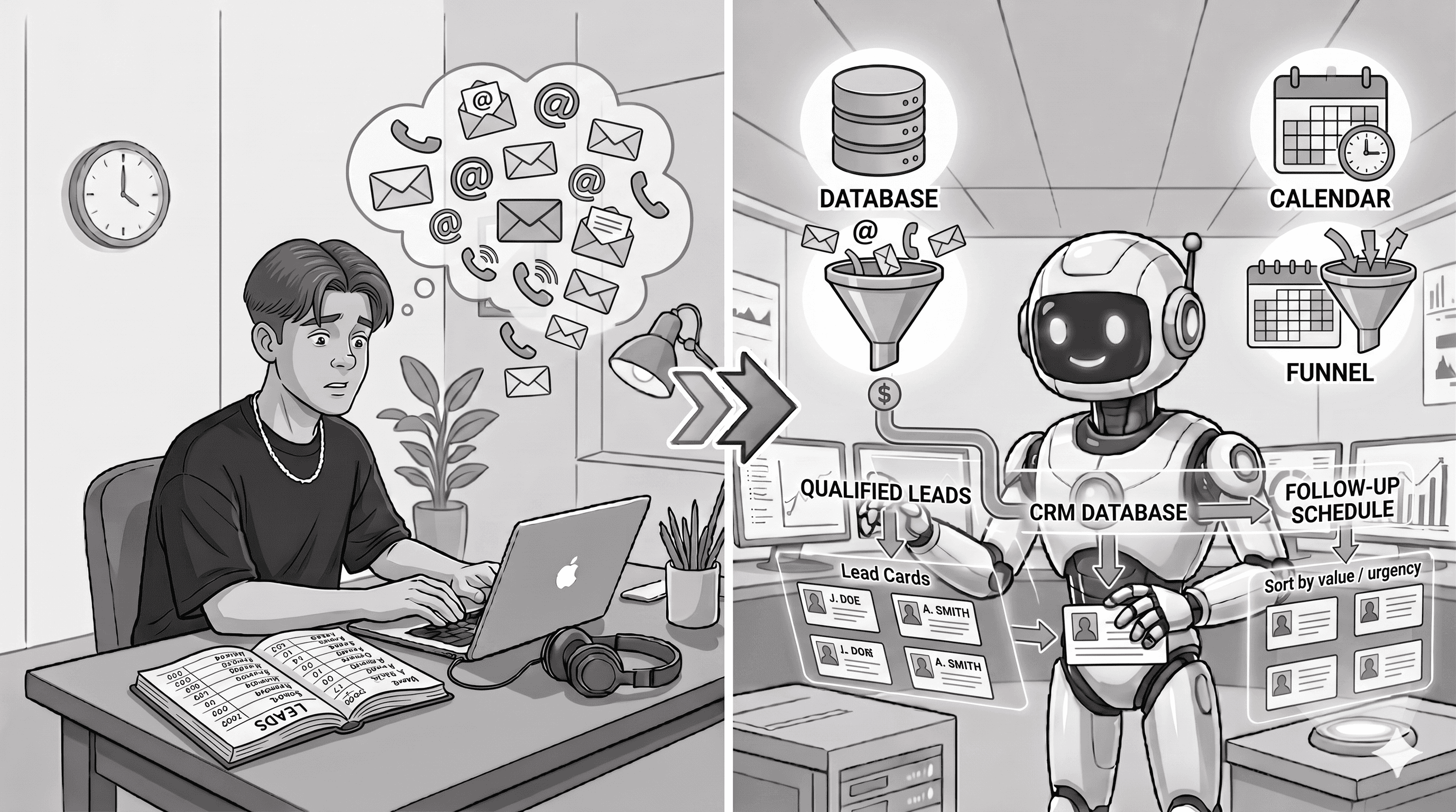
One inbox, every kind of message, zero structure.
The old GoDaddy site funneled everything: questions, orders, vague one-liners; into the same email.
01.
No separation
A price question and a real order looked identical. Both had to be read and sorted by hand.
02.
Incomplete orders
No material, no quantity, no timeline. Every order meant a reply just to find out what was actually being asked for.
03.
Nothing tracked
No log, no record. A buried email meant a buried order.
04.
No confirmation
Customers submitted and waited, no idea if it was even seen.
The result: every inquiry, big or small, cost the same thing… a read, a guess, and a reply.
How It Works
Two pipelines. One source of truth.
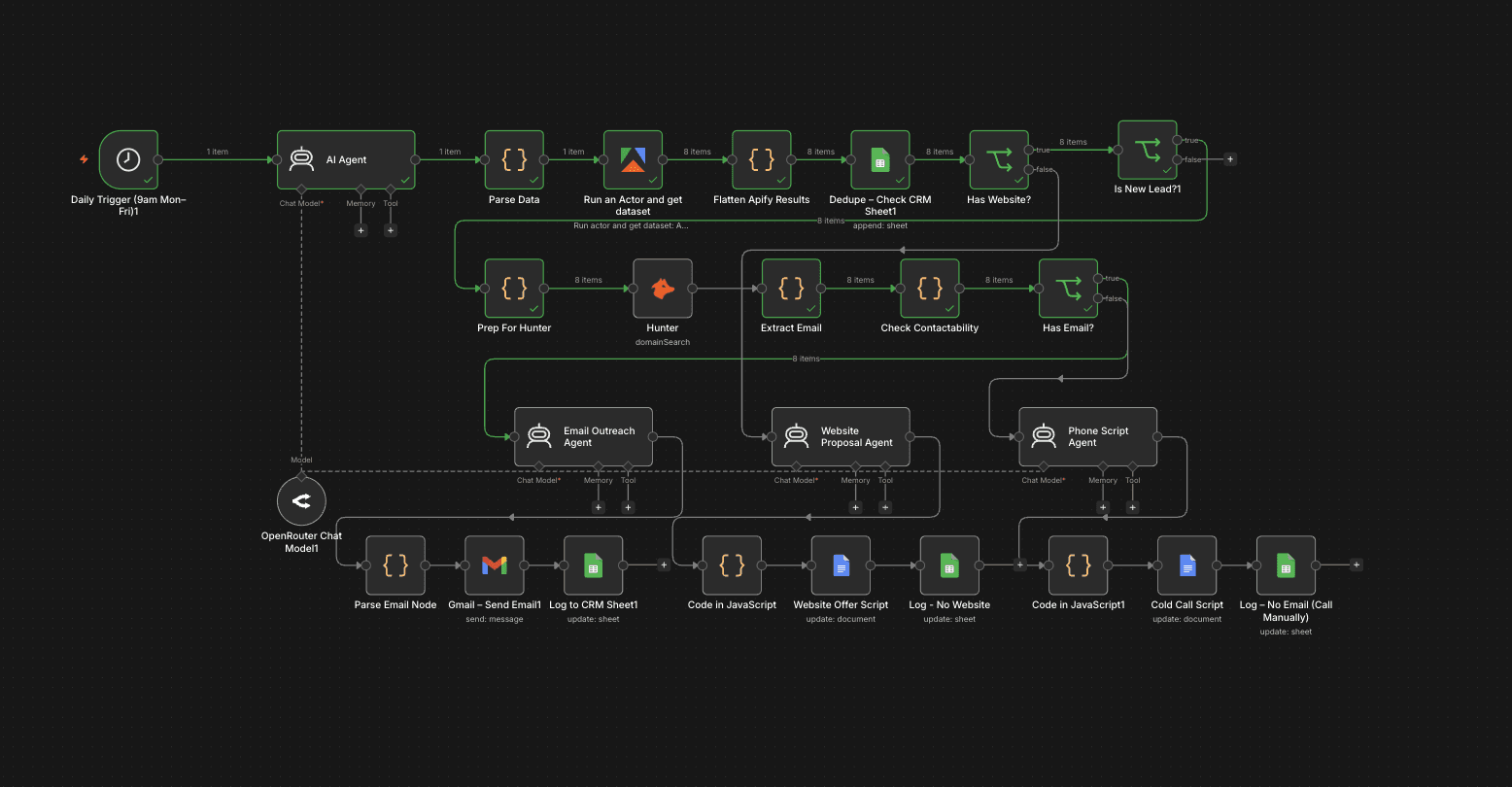
From the moment someone lands on the site to the moment their order's tracked, nothing touches an inbox until it's already structured.
Frontend
3-page site with a 25+ photo gallery and embedded order forms. Customers see the work before they fill anything out — fewer "what do you even make?" emails.
Automation
Every submission logs to Google Sheets and triggers two emails — an internal alert with the full order, and a confirmation to the customer. Nothing gets missed, nothing waits.
Backend
The form splits questions from orders, and orders come with the fields that matter: material, quantity, finish, timeline, file upload. JS validates it, n8n receives it.
Why This Works
The form does the sorting the inbox couldn't.
Splitting questions from orders fixes the real problem. Each one now routes to where it's useful, instead of competing for the same read.
Specific fields beat open text. Customers don't know what's relevant, the form does. That turns vague requests into job-ready specs.
Logging beats remembering. Every order is recorded the second it's submitted, not whenever someone gets to it.
Fewer steps, not more software. What took 3–4 emails per order now takes one form and, usually, zero replies beyond a confirmation.
Tech Stack

HTML/CSS/JS
site + dual-pipeline forms

n8n
routes, logs, automates

Gmail + Google Workspace
live order tracker, instant alerts + confirmations
What This Unlocks
Intake's automated. Next: the work itself.
Two follow-on builds came directly out of conversations with the owner. Both aimed at the two things that still eat his time once an order is logged: answering repeat questions, and pricing the job.
01
AI Replies
02
AI Quoting
Research + quote agent
Takes an order's specs, finds the materials, runs the pricing formula, drafts the quote. From request to ready-to-send quote, no manual lookup.